Foundation heave is a phenomenon where the foundation of a structure moves upwards due to the presence of expansive soil that has been saturated with water. There are several factors that can cause soil saturation, including seasonal changes in moisture levels, underground aquifers, or leakage in underground pipes. Such variations in soil moisture can be influenced by natural conditions as well as man-made factors, including construction work.
Expansive soil, which is a type of loose soil, is particularly susceptible to foundation heave. This phenomenon is caused by the soil’s tendency to expand and contract due to changes in moisture levels. The consequences of foundation heave can be significant, and in the United States, financial losses due to this issue are reported to be higher than those caused by natural disasters like tornadoes, hurricanes, floods, and earthquakes combined.
The severity of foundation heave can also depend on the characteristics of the building’s foundation. Buildings with lighter structures and thinner foundations are more prone to suffer from foundation heave compared to heavier structures with thicker foundations. In fact, the International Association of Certified Home Inspectors has reported that soil can exert pressure of up to 260 KN/m2 against a concrete foundation. Overall, foundation heave is a significant issue that can cause significant damage and financial losses if not properly addressed.
What are the Causes of Foundation Heave?
Environmental Condition
Foundation heave of a structure can be caused by various environmental factors. One of the primary reasons for this phenomenon is due to the changes in the climatic conditions. Long droughts or heavy rains cause moisture variations in the soil, which leads to cyclic expansion and contraction of the soil. This eventually results in the upward movement of the edge of a structure.
Another significant factor that contributes to foundation heave is the variations in the water table level. The soil moisture level changes as the water table rises or falls, which causes the soil to swell or shrink. The resulting pressure from the soil against the foundation can lead to heaving.
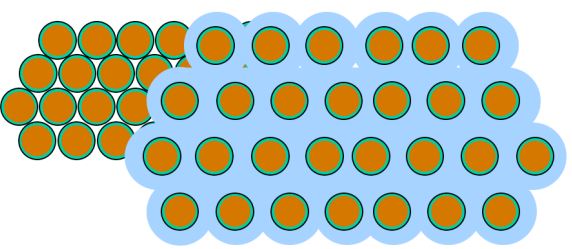
Additionally, frost heave and chemical reactions like oxidations of iron pyrite can also cause the soil underneath the foundation to expand. This expansion creates pressure against the foundation, leading to heaving. Clay soil is particularly prone to this type of expansion in the presence of moisture, as illustrated in Figure-1 through Figure-3. These changes in the soil can have a significant impact on the structural integrity of a building and require careful consideration during the design and construction phases.


Construction-Related Changes
Changes made during the construction process can cause an increase in soil moisture, which can have negative effects on the foundation. One way that moisture can accumulate is when natural evaporation is reduced due to the construction of a structure. This leads to an increase in soil moisture under the foundation. Additionally, the moisture transpired by vegetation is reduced due to the construction, further increasing soil moisture.
Another factor that can contribute to increased soil moisture is the removal of large trees from the construction site. The trees’ root systems previously depleted soil moisture, so their removal eliminates this source of depletion and allows moisture to accumulate in the soil mass.
Insufficient drainage can also lead to an increase in soil moisture. Damaged rain gutters and downspouts, for example, can cause water to pond around the structure, which then finds its way to the soil under the foundation. This can cause clay soil to expand and result in foundation heave.
Seepage at soil-foundation interfaces and through excavations drilled for basements or shaft foundations can also result in increased soil moisture under the foundation. Additionally, when an aquifer is tapped, underground water moves upward and saturates the soil beneath the foundation, causing soil expansion and generating pressure against the foundation.
Finally, drying of exposed foundation soil in excavations and reducing soil surcharge weight can increase the likelihood of foundation heaving.


Effects of Activities in the Building on the Soil Moisture
The soil beneath heated areas of a foundation, such as furnace rooms, can dry out and shrink, which can lead to settlement of the foundation. This settlement can cause significant problems for the safety and functionality of the structure. Additionally, underground water and sewer lines that leak can saturate clay soil surrounding these utilities, which can cause the foundation to heave.
When trees are planted too close to a structure, they can exacerbate cyclic edge heave. To avoid this problem, it is important to plant trees at distances greater than 1 to 1.5 times the height of the mature tree from the structure. This will help to prevent the roots of the tree from causing damage to the foundation.
It is also important to consider the impact of lawn watering on the soil surrounding the foundation. Water from lawns can increase the moisture in the soil, which can contribute to foundation problems. It is important to manage lawn watering carefully and to avoid over-watering, which can lead to soil saturation and other related issues. Overall, careful management of soil moisture is critical to maintaining the safety and stability of a foundation.
FAQs
What is a foundation heave?
Foundation heave is a phenomenon where the foundation of a building or structure moves upwards. This upward movement is caused by expansive soil beneath the foundation becoming saturated with water. There are several factors that can contribute to this saturation, including seasonal changes in moisture levels, the presence of underground aquifers, and leakage in underground pipes. When the soil becomes saturated, it can expand and push the foundation upwards, leading to foundation heave. This can cause significant damage to the building or structure, making it important to monitor and address any signs of foundation heave as soon as possible.
What is the major cause of foundation heave?
Foundation heave is a significant issue that can occur in soils that are susceptible to expansion, such as expansive soils. This type of soil is known to expand and contract as its moisture content changes, which can have a detrimental effect on foundations. The primary cause of foundation heave in these types of soils is due to the fluctuations in soil moisture levels.
When the moisture content of expansive soil increases, it can cause the soil to expand, putting pressure on the foundation. This pressure can cause the foundation to rise or heave, leading to various problems such as cracks, bulges, and other structural issues. On the other hand, when the moisture content decreases, the soil contracts, causing the foundation to settle, which can also lead to significant structural damage.
Thus, it is crucial to monitor and manage the moisture levels of expansive soil to prevent foundation heave. Adequate moisture control measures can be taken, such as maintaining proper drainage systems and using appropriate irrigation techniques to keep the soil moisture levels stable. By doing so, the risk of foundation heave can be reduced, ensuring the stability and longevity of the foundation.
What type of soil is susceptible to heave?
When clay soil gets wet, it has a tendency to expand, which can cause pressure to be exerted on any foundations or slabs that have been built on top of it. This can potentially lead to damage to the structures themselves, as well as the surrounding area. This is because the force of the expanding clay can cause the foundation to shift or crack, which can compromise the stability of the building. As a result, it is important to take into account the type of soil present on a construction site and to use appropriate building techniques and materials to ensure that the structure is able to withstand any potential pressure exerted by the soil.
Up to what limit can soil exert pressure against a concrete foundation?
The Association of Certified Home Inspectors has provided information regarding the amount of pressure that soil can apply against a concrete foundation. According to their statement, the pressure exerted by soil can reach up to 260 KN/m^2. This means that a concrete foundation may experience significant pressure from the soil that surrounds it. It is important to keep this in mind when constructing or evaluating a building’s foundation to ensure it can withstand such pressure. By providing this information, the Association of Certified Home Inspectors aims to raise awareness about the potential risks and challenges associated with building on soil
What are the signs of foundation heave?
The presence of cracks in foundations and walls, uneven floors, and sticky doors and windows are all common signs of structural issues in a building. These issues can be indicative of a variety of problems, ranging from minor settling to serious structural damage. Cracks in foundations and walls can be caused by a variety of factors, including water damage, shifts in the ground, and poor construction practices. Uneven floors are often the result of foundation issues or structural damage, which can lead to an unsafe living environment. Sticky doors and windows are another sign of structural problems, as they can be caused by shifts in the building’s foundation or changes in temperature and humidity. It is important to address these issues promptly to ensure the safety and stability of the building.